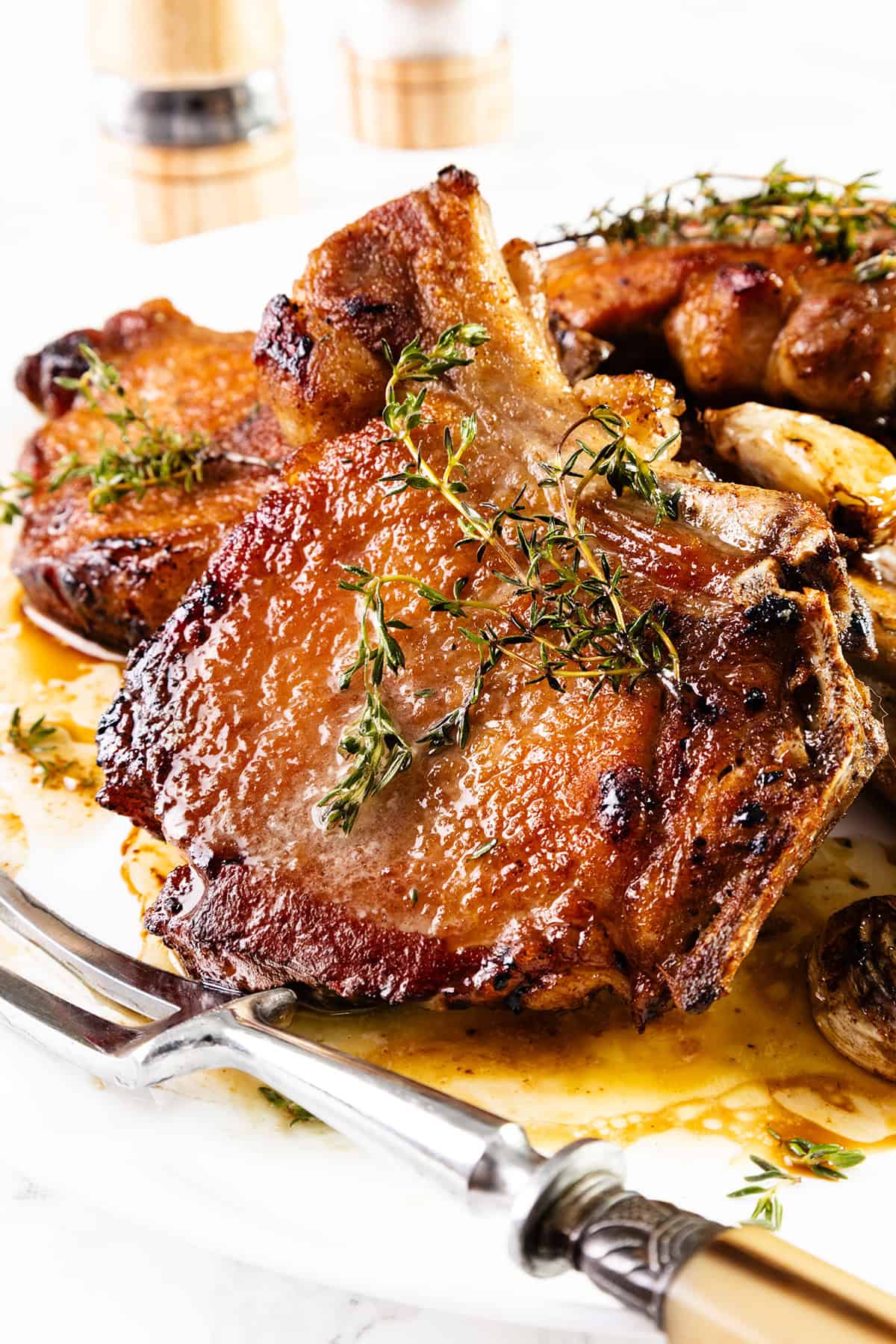
Pan Seared Brined Pork Chops: Ultimate Guide to Juicy Flavor
Imagine cutting into a pork chop that's not just tender, but bursting with incredible flavor and so incredibly juicy it practically melts in your mouth. This isn't a dream – it's the delicious reality you can achieve with expertly
pan seared brined pork chops. Forget dry, bland pork; this comprehensive guide will unlock the secrets to restaurant-quality results right in your own kitchen. We'll explore the magic of brining, the art of the perfect sear, and all the tips you need to master this impressive yet surprisingly simple dish.
Why Brining is a Game-Changer for Pork Chops
At the heart of truly juicy pork chops lies a fundamental technique often overlooked: brining. But what exactly does brining do, and why is it so essential for achieving that ultimate juicy flavor?
Brining is far more than just soaking meat in saltwater; it's a scientific process that transforms the texture and taste of your pork chops. Here's how it works wonders:
*
Moisture Retention: The primary benefit is increased moisture. The salt in the brine helps to denature muscle proteins, allowing them to absorb and hold onto more water. This means when your pork chops hit the hot pan, they're much more resistant to drying out, staying succulent and tender.
*
Flavor Infusion: Beyond just salt and sugar, the brine becomes a vehicle for flavor. Garlic, thyme, peppercorns, and even alternative sweeteners like honey can permeate the meat, seasoning it from the inside out. This deep flavor penetration is something a simple exterior seasoning can't achieve.
*
Tenderizing Effect: The salt solution also works to break down some of the muscle fibers in the pork, leading to a more tender chew. When combined with other tenderizing agents like baking soda (as some advanced brines suggest), this effect is amplified, making even leaner cuts incredibly soft.
In essence, brining acts as an insurance policy against dry, tough pork, guaranteeing a flavorful and incredibly juicy outcome every time. To dive deeper into the science and methods, check out our guide on
Unlock Tenderness & Taste: The Secret to Brining Pork Chops.
Crafting the Perfect Brine: Ingredients & Variations
The foundation of your delicious
pan seared brined pork chops is, of course, the brine itself. While the concept is simple, the right combination of ingredients makes all the difference.
Essential Brine Ingredients:
*
Water: The base of your brine. Ensure you have enough to fully submerge your pork chops.
*
Kosher Salt: This is non-negotiable. Kosher salt has a larger crystal size than table salt, making it easier to measure accurately without over-salting, and it dissolves effectively. Avoid iodized table salt, as it can impart an off-flavor.
*
Sugar: A crucial partner to salt, sugar balances the flavor profile, preventing the chops from tasting solely salty. It also contributes to better browning during the searing process, giving you that coveted golden crust. Granulated sugar is standard, but for a unique twist, consider using honey for a subtle sweetness and different aromatic notes.
*
Aromatics: These are where you infuse personality into your pork.
*
Fresh Garlic: Smashed cloves release their potent flavor beautifully into the brine. If fresh isn't available, a good quality garlic powder (about 1/2 teaspoon per clove) can work in a pinch, though fresh is always superior.
*
Fresh Thyme: Sprigs of fresh thyme lend an earthy, herbaceous aroma. Dried thyme is a perfectly acceptable substitute; remember to use about a third of the amount, as dried herbs are more concentrated.
*
Black Peppercorns: Whole peppercorns add a subtle spice that permeates the meat. You can lightly crush them for a more pronounced pepper flavor.
Tips for Brine Preparation:
1.
Dissolve Thoroughly: Always ensure your salt and sugar are *fully dissolved* in the water before adding the pork. This guarantees even seasoning and prevents concentrated pockets of saltiness. Warming a portion of the water can help with dissolution before combining with the rest of the cold water.
2.
Cold Brine is Key: While dissolving salt and sugar in warm water is fine, always cool your brine completely before adding the pork. Adding meat to warm brine can promote bacterial growth, which is unsafe.
3.
Submersion: Make sure your pork chops are completely submerged in the brine. If they float, use a plate or a small, heavy object to weigh them down.
The Art of the Pan Sear: Achieving That Golden Crust
Once your pork chops are perfectly brined, the next step is the pan sear – the technique that creates an irresistible, savory crust while locking in those precious juices. This isn't just about cooking; it's about building flavor and texture.
Mastering the Sear:
1.
Thoroughly Dry Your Chops: This is perhaps the *most critical step* after brining. After rinsing off the brine, pat your pork chops *aggressively dry* with paper towels. Any surface moisture will steam the meat instead of searing it, preventing that beautiful Maillard reaction (browning) from occurring. A dry surface is essential for a crispy crust.
2.
Choose the Right Pan: A heavy-bottomed pan is your best friend here. Cast iron skillets are ideal due to their excellent heat retention and even heating. Stainless steel pans can also work well, but avoid thin, flimsy pans that don't hold heat consistently.
3.
Heat the Pan Properly: Place your pan over medium-high to high heat. Allow it to heat up for several minutes until it's *hot*. A good test is to add a drop of water – if it evaporates instantly, the pan is ready.
4.
Add Oil with a High Smoke Point: Use an oil like olive oil, vegetable oil, or grapeseed oil. Add just enough to coat the bottom of the pan. Once the oil shimmers and begins to show wisps of smoke, it's ready for the chops.
5.
Sear Without Moving: Place the dry pork chops carefully into the hot pan. *Resist the urge to move them!* Let them sear undisturbed for 3-4 minutes per side, depending on thickness, until a deep golden-brown crust forms. This allows the Maillard reaction to work its magic.
6.
Render the Fat (if applicable): If your chops have a thick fat cap, scoring it slightly before searing and placing that side down first can help render the fat, turning it crispy and flavorful.
7.
Finish with Flavor Enhancers: Once both sides are seared, reduce the heat slightly. Add a tablespoon or two of unsalted butter to the pan. You can also toss in a smashed garlic clove and a sprig of fresh thyme. As the butter melts and browns slightly, spoon this aromatic liquid over the chops repeatedly for the last minute or two of cooking. This basting technique infuses incredible flavor and further tenderizes the meat.
Step-by-Step: Your Path to Perfect Pan Seared Brined Pork Chops
Let's put it all together. Here’s a detailed guide to cooking these phenomenal
pan seared brined pork chops.
Ingredients You’ll Need:
*
For the Brine:
* 4 cups cold water
* 1/4 cup kosher salt
* 2 tablespoons sugar (or 2 tablespoons honey for a twist)
* 2 cloves garlic, smashed
* 1 teaspoon black peppercorns
* 2 sprigs fresh thyme (or 1 teaspoon dried thyme)
*
For the Pork Chops:
* 2 bone-in pork chops, about 1-inch thick (boneless also works, adjust cooking time)
* 2 tablespoons olive oil or vegetable oil
* 2 tablespoons unsalted butter
* Freshly ground black pepper, to taste (optional, after rinsing)
Total Time:
Approximately 1 hour to 1 hour 15 minutes (45 minutes brining, 15 minutes active cooking & resting).
Instructions:
1.
Prepare the Brine: In a large bowl or container, combine the water, kosher salt, sugar, smashed garlic, peppercorns, and thyme. Stir vigorously until the salt and sugar are completely dissolved. Ensure the brine is cool before proceeding.
2.
Brine the Pork Chops: Submerge the pork chops fully in the brine. Cover the container and refrigerate for a minimum of 30 minutes, and ideally up to 1 hour. Avoid brining for much longer than an hour, as it can make the meat too salty or give it a cured texture.
3.
Prepare for Cooking: Remove the pork chops from the brine. Rinse them thoroughly under cold running water to remove any excess salt and surface aromatics. This step is crucial! Then, pat them *extremely dry* with paper towels. You want absolutely no moisture on the surface. Season lightly with fresh black pepper, if desired (the brine already seasons them internally).
4.
Heat the Pan: Place a heavy-bottomed skillet (cast iron works best) over medium-high heat. Add the olive oil and let it heat until shimmering, almost smoking.
5.
Sear the Chops: Carefully place the dry pork chops into the hot pan. Sear undisturbed for 3-4 minutes per side until a deep golden-brown crust forms. For thicker chops, you might need to adjust the heat to medium after the initial sear and cook for a few more minutes, flipping occasionally.
6.
Add Butter & Aromatics: Once both sides are beautifully seared, reduce the heat to medium-low. Add the unsalted butter to the pan, along with another smashed garlic clove and a fresh thyme sprig if you like. As the butter melts, tilt the pan and continuously spoon the melted butter and aromatics over the chops for 1-2 minutes.
7.
Check Doneness: The internal temperature of pork chops should reach 145°F (63°C) for medium-rare, or up to 155°F (68°C) for medium-well, measured with an instant-read thermometer inserted into the thickest part, avoiding the bone. Remember, carryover cooking will raise the temperature by a few degrees after they’ve been removed from the heat.
8.
Rest the Chops: Transfer the cooked pork chops to a cutting board and loosely tent them with foil. Let them rest for 5-10 minutes. This resting period is vital; it allows the juices to redistribute throughout the meat, ensuring every bite is moist and flavorful.
Tips for Success & Common Pitfalls
Even with a solid recipe, a few extra insights can elevate your cooking and help you avoid common mistakes when making
pan seared brined pork chops.
*
Choose Bone-in for Extra Juiciness: While boneless chops are convenient, bone-in pork chops tend to stay juicier and more flavorful due to the bone's insulation during cooking. If using boneless, be extra vigilant with cooking times as they cook faster.
*
Thickness Matters: Aim for pork chops that are about 1 inch thick. Thinner chops can dry out quickly, while much thicker ones might benefit from a quick finish in the oven (after searing) to ensure they cook through without burning the outside.
*
Don't Over-Brine: While brining is beneficial, too much time in the brine can make the meat overly salty, or even give it a slightly spongy, cured texture. Stick to the recommended 30-60 minutes for optimal results.
*
Invest in a Meat Thermometer: This is your best friend for perfectly cooked pork. Pulling chops off the heat at 140-142°F (60-61°C) will allow them to reach the ideal 145°F (63°C) after resting, ensuring they are perfectly pink and juicy.
*
Keep Your Pan Clean Between Batches: If cooking more than two chops, wipe out any burnt bits from the pan between batches. This prevents bitter flavors and ensures a clean sear for every chop.
*
Don't Waste the Pan Drippings: After resting, the delicious fond (browned bits) and butter in the pan can be deglazed with a splash of wine, chicken broth, or even water to create a quick, flavorful pan sauce to pour over your chops.
* For more specific pointers on whipping up a speedy yet sensational meal, see our
Easy Weeknight Dinner: Brined Pork Chops with Crispy Sear article.
Conclusion
Mastering
pan seared brined pork chops is a culinary skill that will elevate your home cooking and impress anyone lucky enough to try them. By understanding the science behind brining and applying the art of a perfect sear, you transform a common cut of meat into an extraordinary dish. No more dry, disappointing pork – just tender, incredibly juicy, and intensely flavorful chops with an irresistible golden crust. So, gather your ingredients, follow these steps, and prepare to enjoy pork chops like never before. Your taste buds will thank you!