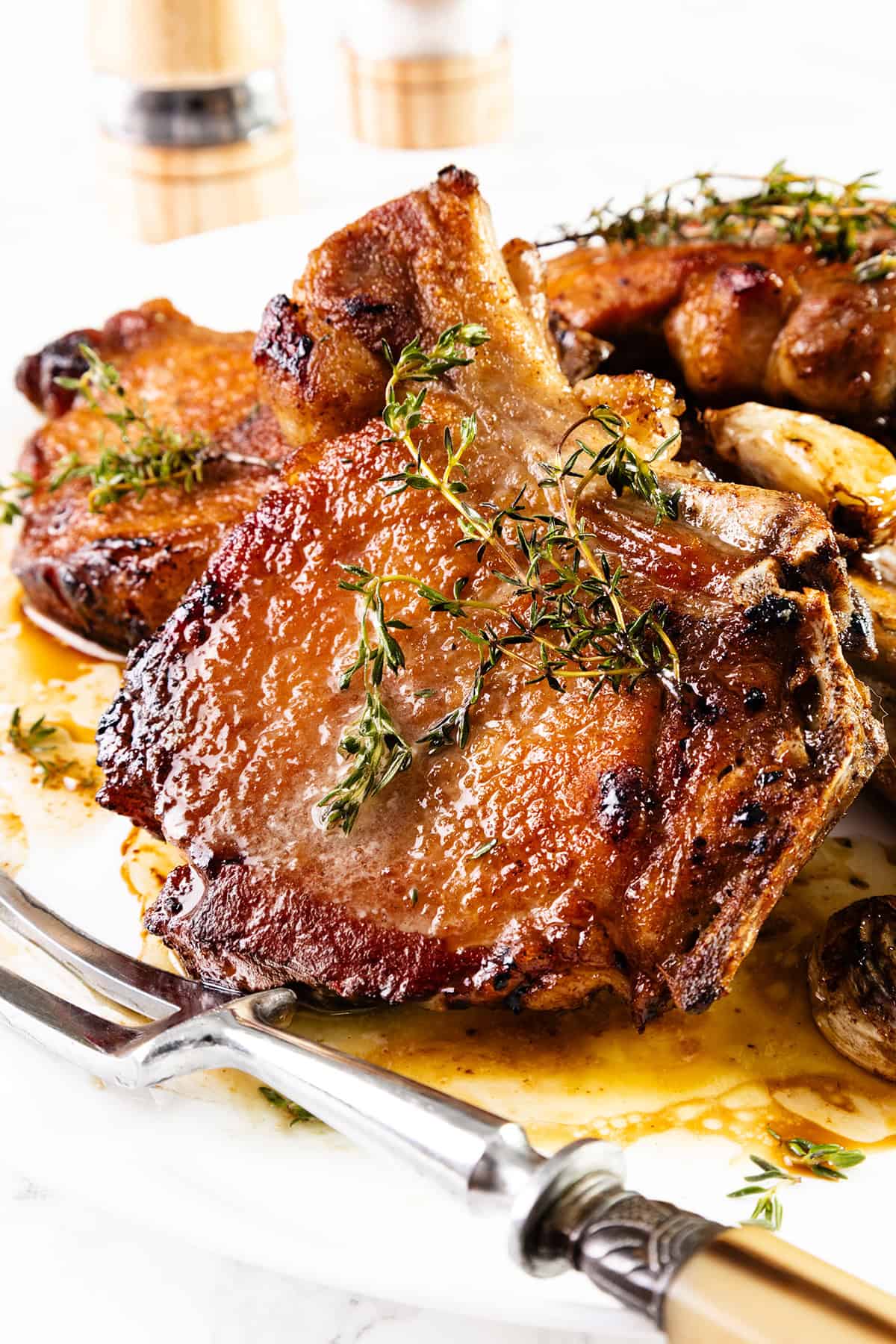
Unlock Tenderness & Taste: The Secret to Brining Pork Chops
Are you tired of dry, bland pork chops? Do your efforts often result in a tough, uninspiring meal? You're not alone. For many home cooks, achieving truly juicy and flavorful pork chops can feel like a culinary challenge. But what if there was a simple secret, a technique that guarantees succulent results with a mouth-watering crust every single time? Enter the world of pan seared brined pork chops. This method is a game-changer, transforming an ordinary cut of meat into an extraordinary dining experience. Get ready to discover how brining, combined with a quick sear, can unlock unprecedented tenderness and a burst of flavor that will have your taste buds singing.The Magic Behind the Tenderness: Why Brine Your Pork Chops?
Brining pork chops isn't just a fancy chef's trick; it's a scientific marvel that fundamentally changes the meat for the better. At its core, brining is the process of soaking meat in a saltwater solution. But its effects go far beyond simply making the pork salty. The primary role of a brine is to ensure your pork chops stay incredibly juicy. Here's how it works:- Moisture Absorption: Through osmosis, the salt solution is absorbed into the muscle fibers of the pork. This absorbed moisture becomes trapped within the meat, significantly reducing the amount of moisture lost during cooking. The result? Chops that remain plump and juicy, even if slightly overcooked.
- Protein Denaturation: Salt also denatures the proteins in the meat. This means it unravels them, causing them to relax and loosen. When these proteins relax, they can hold onto moisture more effectively. This structural change contributes directly to the tenderness of the chop, making it less chewy and more pleasant to eat.
- Flavor Infusion: Beyond moisture and tenderness, brine is a fantastic vehicle for flavor. As the liquid permeates the meat, it carries with it the dissolved salt, sugar, and any aromatic ingredients you've added, such as garlic, herbs, and peppercorns. This means the flavor isn't just on the surface; it's deeply embedded throughout the chop.
Crafting the Perfect Brine: Ingredients & Customization
The beauty of a brine lies in its simplicity and the room it offers for personalization. While the core components remain constant, you can easily adapt the flavor profile to suit your preferences.Essential Brine Ingredients:
- Water: The base of your brine. Ensure it's enough to fully submerge your pork chops.
- Kosher Salt: This is the most crucial ingredient. Kosher salt crystals are larger than table salt, making them easier to measure accurately and dissolve. The salt is responsible for the osmosis and protein denaturation. If using a different type of salt, adjust quantities as needed (e.g., use less table salt as it's denser). For lower-sodium options, you can slightly reduce the salt or explore salt substitutes, though results may vary.
- Sugar: While salt does the heavy lifting, sugar plays an important supporting role. It helps with moisture retention, contributes to browning during the sear, and balances the saltiness, adding a subtle sweetness that rounds out the flavor. Granulated sugar is common, but don't hesitate to experiment with alternatives like brown sugar for molasses notes or even honey for a unique, richer sweetness.
Aromatics and Flavor Boosters:
These ingredients are where you can truly make your brine your own.- Garlic: Fresh garlic, smashed, adds a pungent, savory depth. If fresh isn't available, about 1/2 teaspoon of garlic powder can be used as a convenient substitute.
- Thyme: Fresh thyme sprigs impart an earthy, slightly lemon-peppery aroma. Dried thyme is a perfectly acceptable alternative; remember to use about a third of the amount (e.g., 1 teaspoon dried for 2 sprigs fresh) as it's more concentrated.
- Black Peppercorns: These add a subtle warmth and gentle spice. You can lightly crush them to release more flavor.
- Other Ideas: Consider bay leaves, rosemary, citrus peels (lemon or orange), juniper berries, or even a pinch of red pepper flakes for a kick. For an extra tenderizing boost, some chefs even incorporate a touch of baking soda into their brine, which helps break down meat proteins further, leading to even more moisture retention.
Step-by-Step Brining & Pan-Searing Success
Mastering the art of pan seared brined pork chops involves a few critical steps, each contributing to the final succulent result.Brine Preparation:
In a large bowl or container (one that can comfortably hold your pork chops), combine 4 cups of water with 1/4 cup kosher salt and 2 tablespoons sugar. Add your aromatics: 2 cloves of smashed garlic, 1 teaspoon black peppercorns, and 2 sprigs of fresh thyme (or 1 teaspoon dried). Stir vigorously until the salt and sugar are completely dissolved. This ensures even flavor distribution throughout the brine.Submerging & Timing:
Brining time is crucial: 30 minutes is the minimum to make a noticeable difference, but 1 hour is ideal for deeper flavor and maximum tenderness. While it might be tempting to brine longer, don't overdo it with pork chops – extended brining (several hours or overnight) can make them too salty or give them a "hammy" texture, especially for thinner cuts.
The Critical Rinse & Pat Dry:
Once your brining time is complete, remove the pork chops from the solution. This next step is absolutely vital: rinse them thoroughly under cold running water. This removes any excess salt from the surface, preventing your chops from becoming overly salty. After rinsing, pat them *extremely* dry with paper towels. A dry surface is essential for achieving that coveted crispy, golden-brown crust when searing. Any residual moisture will steam the meat instead of searing it, hindering crust formation.Mastering the Pan Sear:
- Preheat Your Pan: Heat 2 tablespoons of olive oil or vegetable oil in a heavy-bottomed skillet (cast iron is excellent for even heat distribution and searing) over medium-high heat until it just begins to shimmer.
- Sear for a Golden Crust: Carefully place the dried pork chops into the hot pan. For bone-in chops with a fat cap, you can score the fat (make shallow cuts) before searing, then render the fat side down first for a minute or two. Sear for 3-4 minutes per side, without moving them, until a beautiful, golden-brown crust forms.
- Add Butter & Aromatics: Reduce the heat to medium-low. Add 2 tablespoons of unsalted butter to the pan. If you like, toss in another sprig of fresh thyme or a smashed garlic clove. Tilt the pan and spoon the melted butter mixture over the chops for a minute or two, basting them as they continue to cook.
- Cook to Temperature: Continue cooking, flipping once more if needed, until the internal temperature reaches 145°F (63°C) when measured with an instant-read thermometer. For thicker chops, you might transfer them to a preheated oven (around 375°F/190°C) after searing to finish cooking through without drying out the exterior.
The All-Important Rest:
Once cooked, transfer the pork chops to a cutting board and let them rest for at least 5-10 minutes. This allows the muscle fibers to relax and reabsorb the juices, ensuring every bite is moist and flavorful. Skipping this step is a common mistake that leads to dry chops, as all the delicious juices will run out when you cut into them.Pro Tips for Unforgettable Pan Seared Brined Pork Chops
Elevate your cooking with these expert insights and practical advice:- Choose Your Chops Wisely: Bone-in pork chops (about 1 inch thick) are often preferred for their superior flavor and juiciness, as the bone helps insulate the meat. However, boneless chops work wonderfully too; just be mindful that they may cook slightly faster, so adjust your cooking time and monitor the internal temperature closely. Thicker chops (1.25-1.5 inches) are more forgiving and easier to get a great sear without overcooking the center.
- Achieving the Perfect Sear: Don't overcrowd the pan. If cooking more than two chops, sear them in batches to maintain high heat and ensure proper browning. A crowded pan will lower the temperature, leading to steaming instead of searing.
- Flavor Variations: Don't be limited by the classic garlic and thyme. Experiment with different herb combinations like rosemary and sage, or add a pinch of smoked paprika for a smoky depth. A splash of apple cider vinegar in the brine can add a bright tang, or a few dried chilies for a hint of heat.
- Serving Suggestions: Pan seared brined pork chops pair beautifully with a variety of sides. Creamy mashed potatoes, roasted seasonal vegetables (asparagus, broccoli, carrots), or a fresh green salad are classic choices. For a touch of sweetness, a homemade apple sauce or a quick pan sauce made with deglazed pan drippings is always a winner.
- Time Management: From start to finish, including brining and resting, you'll need about 1 hour to 1 hour and 15 minutes. This makes it an ideal Easy Weeknight Dinner: Brined Pork Chops with Crispy Sear when you plan ahead slightly.
